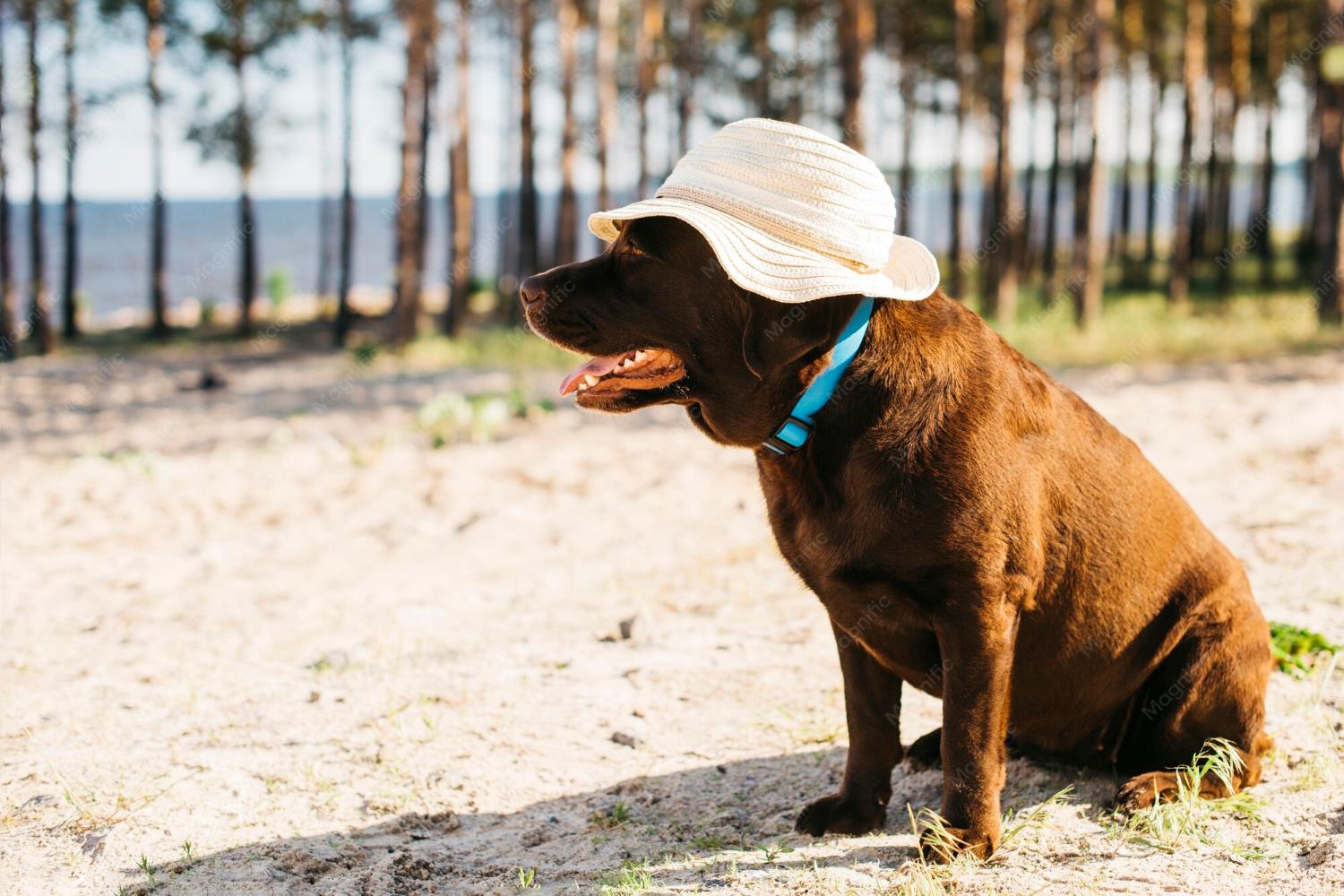
Training your dog is one of the most rewarding experiences you can have as a pet owner. Whether you’ve just brought home a new puppy or adopted an older dog, establishing good habits early makes a world of difference. With patience, consistency, and the right techniques, you can build a strong bond with your dog while teaching them the behaviors that make life together enjoyable.
1. Start With the Basics
Before diving into complex commands, make sure your dog has mastered the foundational cues: sit, stay, come, down, and leave it. These five commands form the backbone of good canine behavior and are the building blocks for everything else you’ll teach.
2. Use Positive Reinforcement
Reward-based training is the most effective and humane approach. When your dog performs a desired behavior, immediately reward them with a treat, praise, or play. This positive association encourages them to repeat the behavior. Avoid punishment-based methods, which can create fear and anxiety.
3. Keep Training Sessions Short
Dogs, especially puppies, have short attention spans. Aim for training sessions of 5 to 15 minutes, two or three times a day. Short, frequent sessions are far more effective than one long marathon session that leaves your dog frustrated or bored.
4. Be Consistent With Commands
Use the same word or phrase for each command every time. If one family member says “down” while another says “lie down,” your dog may become confused. Agree on a set vocabulary and make sure everyone in the household uses it consistently.
5. Time Your Rewards Properly
Timing is everything in dog training. You have about two seconds after the desired behavior to deliver a reward for your dog to make the connection. If you wait too long, your dog won’t understand what they’re being rewarded for. A clicker can help mark the exact moment of the correct behavior.
6. Train in Different Environments
Once your dog has learned a command at home, practice in different settings — the backyard, a park, a busy street. This process, called generalization, helps your dog understand that the rules apply everywhere, not just in the living room.
7. Socialize Early and Often
Socialization is a critical part of training. Expose your puppy to a wide variety of people, animals, sounds, and environments during their first few months of life. Well-socialized dogs are more confident, less fearful, and generally easier to train.
8. Address Problem Behaviors Quickly
Don’t let unwanted behaviors slide because they seem cute in a puppy. Jumping, nipping, and excessive barking can become serious problems in adult dogs. Redirect problem behaviors to more appropriate alternatives and reward the correct response immediately.
9. Use High-Value Treats for Difficult Tasks
Not all treats are created equal in your dog’s eyes. For everyday rewards, use small kibble or low-value treats. But for challenging tasks or high-distraction environments, bring out the high-value treats — pieces of chicken, cheese, or hot dog. This increases your dog’s motivation to work harder.
10. Be Patient and Stay Positive
Every dog learns at their own pace. Some breeds pick up commands in just a few repetitions, while others may need dozens of practice sessions. Never train when you’re frustrated or angry. If a session isn’t going well, end on a positive note by asking your dog to do something they already know, reward them, and try again later.
Final Thoughts
Dog training is an ongoing process that strengthens the relationship between you and your pet. Celebrate small victories, stay consistent, and enjoy the journey. A well-trained dog is a happier dog — and a happier owner too.