Let's be honest — pets are worth every mess they make. But that doesn't mean you have to live with the stains, smells, and chaos they leave behind. Whether you've got a dog, a cat, or something in between, knowing how to tackle pet messes quickly and effectively makes a huge difference. Here are the top five pet messes and exactly how to clean them up.
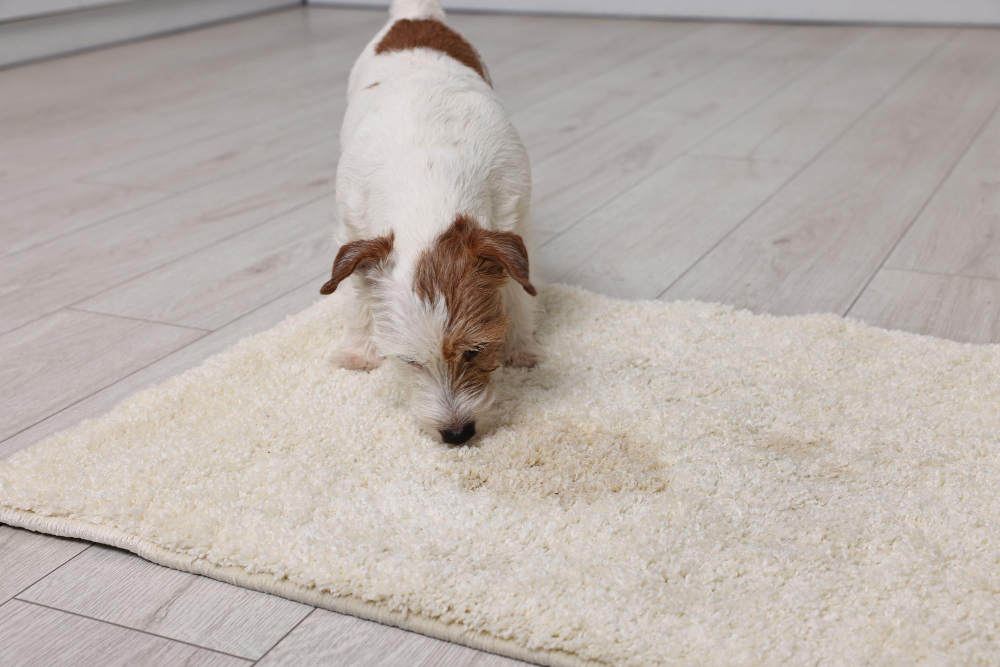
1. Urine Accidents on the Carpet
This is the big one. Urine accidents on carpet are every pet owner's most dreaded mess — and for good reason. If not handled properly, the odor can linger for months and actually attract your pet back to the same spot to go again.
Act fast. The sooner you get to it, the better. Blot — don't rub — the area with clean paper towels or a cloth to absorb as much liquid as possible. Press firmly and work from the outside of the stain inward to avoid spreading it.
Use an enzymatic cleaner. Regular household cleaners mask the smell but don't break down the uric acid crystals in urine that cause the odor. Enzymatic cleaners like Nature's Miracle or Rocco & Roxie actually digest those compounds at a molecular level. Saturate the area, let it sit for at least 10–15 minutes, then blot dry. For older or set-in stains, you may need to repeat this process.
Avoid steam cleaning fresh stains. The heat from a steam cleaner can permanently bond the proteins in urine to your carpet fibers, making the stain and odor much harder to remove.
For stubborn or recurring accidents, or if you're dealing with deeply saturated padding beneath the carpet, the most effective solution is to call in a professional carpet cleaner. They have commercial-grade equipment and specialized treatments that can extract urine from deep within the carpet and padding — something no DIY method can fully replicate. It's worth every penny, especially if you have a puppy in training or a senior pet with bladder issues.
2. Vomit on Carpet or Upholstery
Cats in particular are notorious for this one, though dogs are no strangers to an upset stomach either. The key here is quick action and the right technique.
Start by removing the solid matter with a spoon or dull knife — scoop it up rather than spreading it in. Then sprinkle baking soda or cornstarch over the remaining stain to absorb moisture and neutralize odor. Let it sit for five minutes, then vacuum it up. Follow with a mixture of one tablespoon dish soap and one tablespoon white vinegar diluted in two cups of warm water. Blot the area with a clean cloth, working from the outside in, until the stain lifts. Rinse with cold water and blot dry.
For upholstery, always check the care label first — some fabrics require professional cleaning only.
3. Muddy Paw Prints
The classic post-walk surprise. Your dog bounds in from outside and leaves a trail of muddy prints across your floors and furniture. The instinct is to wipe it up immediately — but resist.
Let it dry first. Trying to clean wet mud smears it deeper into carpet fibers and upholstery. Once it dries completely, vacuum up the dried debris. Then treat any remaining stain with a dish soap and warm water solution, blotting gently until it's gone.
On hard floors, mud is much easier — just let it dry and sweep or vacuum it up before mopping. Keep a mat and a designated paw-wiping towel near every entrance to cut down on how much mud makes it inside in the first place.
4. Pet Hair Everywhere
If you have a shedding dog or cat, pet hair isn't just on your furniture — it's on your clothes, in your air vents, and somehow in your food. Staying on top of it requires a system.
Furniture: A rubber glove or slightly damp rubber squeegee dragged across upholstery picks up pet hair remarkably well. Lint rollers work for lighter coverage. Slipcovers are a practical long-term solution if shedding is heavy.
Floors: A robot vacuum running daily keeps hair from accumulating. For carpets, a vacuum with a motorized brush head is far more effective than a standard suction-only model.
Laundry: Toss clothes in the dryer with a dryer sheet for 10 minutes before washing — the static helps loosen hair before it has a chance to mat into the fabric during the wash cycle.
Regular grooming is your best defense. The more hair you brush off your pet, the less ends up on everything you own.
5. Litter Box Tracking and Dust
Cat owners know the struggle: even with the best litter box setup, tiny granules seem to appear in every corner of the house. Litter dust can also be a respiratory irritant, so keeping it contained matters beyond just aesthetics.
Invest in a good litter mat. A large, textured mat placed outside the litter box catches granules from your cat's paws before they can track them across the floor. Look for mats with deep grooves that actually trap litter rather than just pushing it around.
Upgrade your litter box. Top-entry litter boxes dramatically reduce tracking because the cat has to step directly down from the opening rather than walking through a low entrance. They also contain splatter and odor better than most traditional boxes.
Sweep or vacuum daily around the litter area, and do a more thorough clean of the surrounding space weekly. Use a small handheld vacuum dedicated to the litter area so you're not spreading dust through your main vacuum's filter into other rooms.
The Bottom Line
Most pet messes are manageable with the right products and a little patience — but some, especially deep carpet stains and odors, genuinely require professional-grade solutions. Don't let a stubborn mess linger and compound into a bigger problem. The faster you act, and the smarter your tools, the easier life with pets gets.