Moving into a new home is a big adjustment for pets, who rely heavily on routine and familiar smells to feel secure.
Before your pet even arrives, set up a small, quiet space stocked with their bed, water, food, and a few familiar toys. This gives them a manageable area to explore first rather than being overwhelmed by an entire house at once. For cats especially, starting in one room and gradually expanding their territory over several days tends to work better than free access to every room immediately.
Keep your pet's old routine as consistent as possible during the move. Feeding times, walk schedules, and bedtime rituals act as anchors that help animals feel grounded even when their surroundings have changed completely. If you're introducing a new pet to a resident animal, try to keep the newcomer separated at first, allowing scent swapping through a cracked door or shared bedding before any face-to-face meeting.
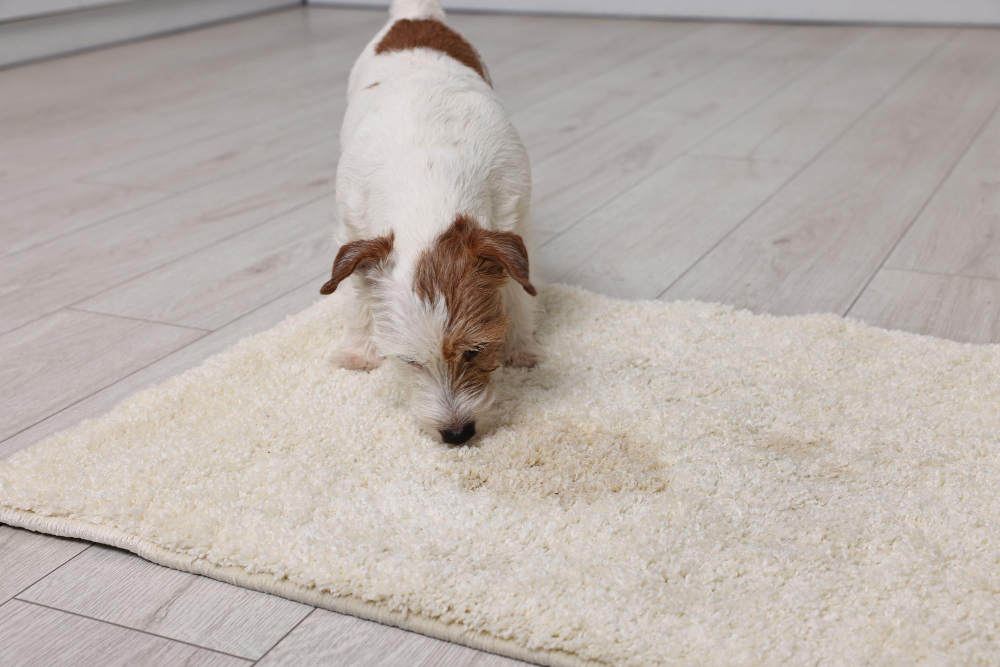
Watch your pet's body language closely during the first few weeks. Hiding, decreased appetite, or accidents outside the litter box or house-training routine are common and usually temporary responses to stress rather than signs of a lasting problem. Give your pet time and avoid forcing interactions with new people or animals before they're ready. Let them approach on their own terms whenever possible.
If anxiety persists beyond a few weeks, or if you notice ongoing changes in eating, sleeping, or bathroom habits, check in with your veterinarian to rule out any underlying medical concerns. In most cases, though, with patience, consistency, and a gradual introduction to their new surroundings, pets settle in and start to feel at home again.