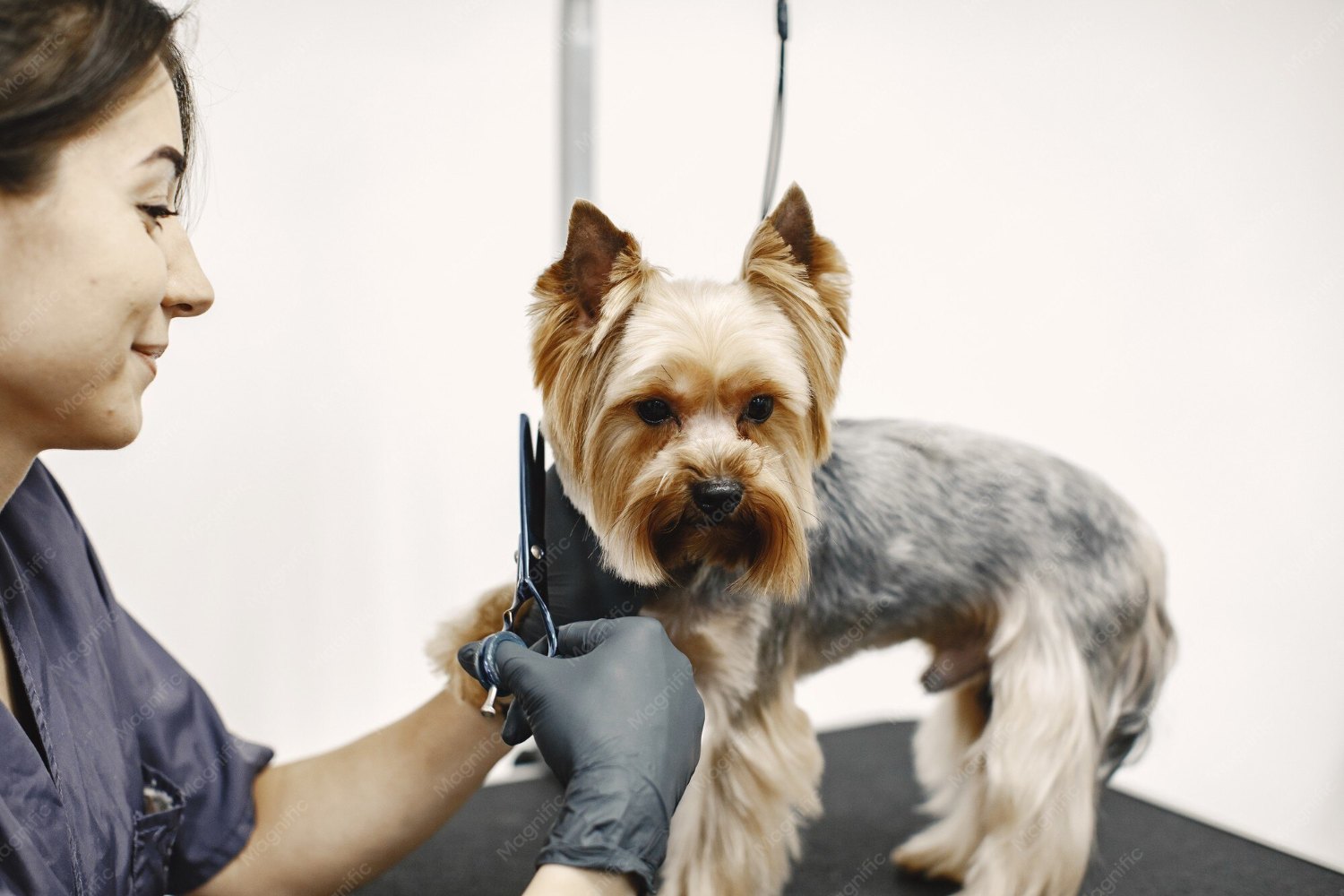
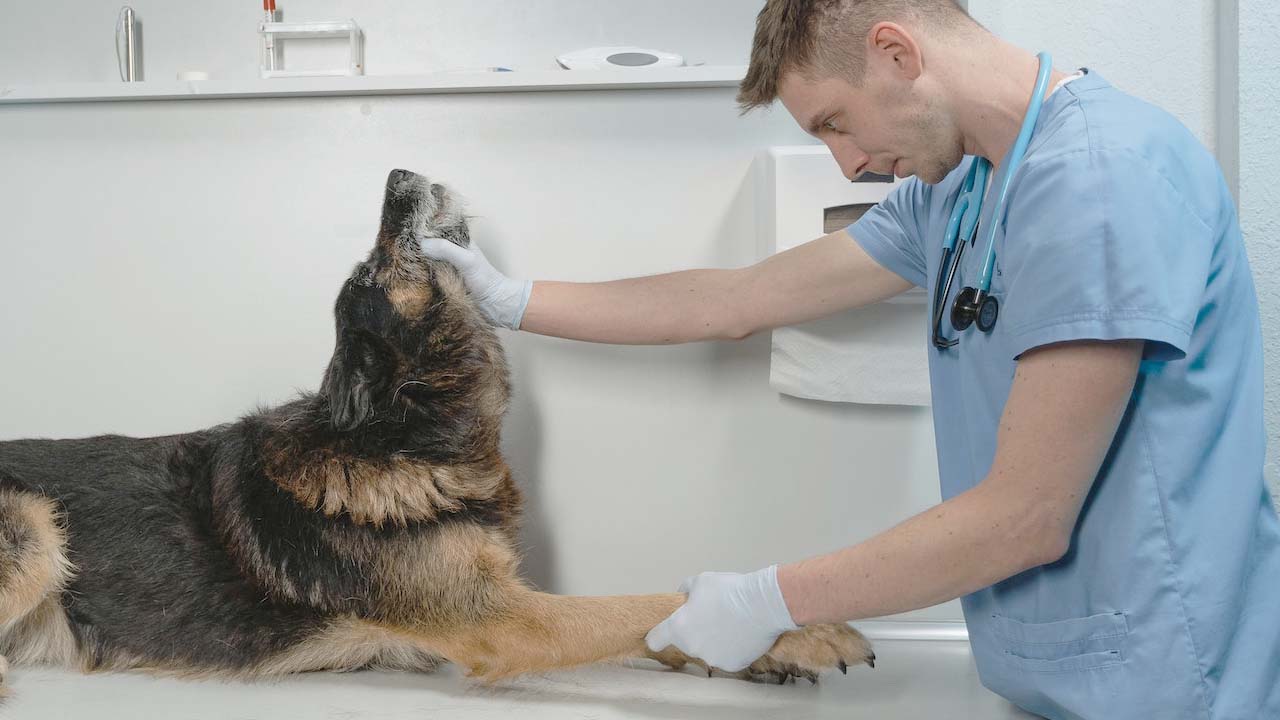
Regular grooming does more than keep your pet looking tidy between professional appointments. It's also one of the easiest ways to catch health issues early, since running your hands over your pet's coat and skin gives you a chance to notice lumps, hot spots, ticks, or signs of irritation before they become bigger problems.
Brushing should be tailored to your pet's coat type. Short-haired dogs and cats generally do well with a weekly brushing using a rubber curry brush or grooming mitt, which removes loose fur and distributes natural skin oils. Long-haired or double-coated breeds often need brushing several times a week, especially during seasonal shedding, to prevent painful mats from forming close to the skin. Always brush in the direction of hair growth and be extra gentle around sensitive areas like the belly, ears, and tail.
Nail care is another task that's easy to overlook but important for comfort and mobility. Nails that grow too long can alter how a dog or cat walks and may eventually curl into the paw pad. If you can hear nails clicking on hard floors, that's usually a sign it's time for a trim. Go slowly, trim only the tip, and keep styptic powder nearby in case you accidentally cut into the quick.
Ear cleaning needs vary by breed and lifestyle. Dogs with floppy ears or those who swim often are more prone to ear infections due to trapped moisture, so a gentle wipe with a vet-approved cleanser every week or two can help. Avoid inserting cotton swabs deep into the ear canal, and contact your vet if you notice redness, odor, or excessive scratching.
Building grooming into a calm, predictable routine helps pets learn to tolerate, and sometimes even enjoy, the process. Short sessions paired with treats and praise go a long way toward making grooming a positive part of your pet's regular care rather than a stressful chore.