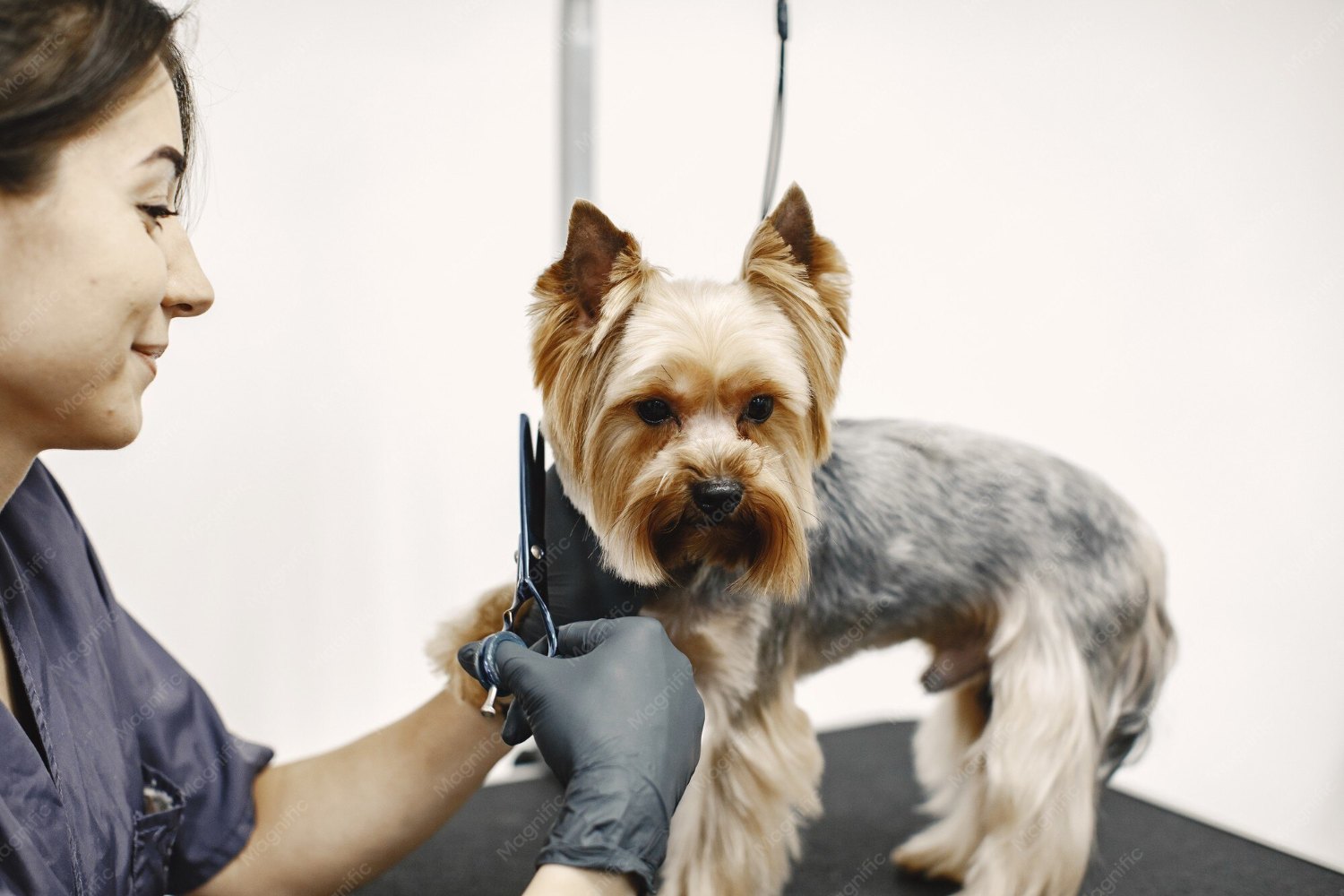
Regular professional grooming is wonderful for your pet, but the weeks between appointments can make a big difference in the health and appearance of their coat. Whether you have a long-haired golden retriever, a short-coated beagle, or a curly-coated poodle mix, there are simple steps you can take at home to keep your pet’s fur in great condition year-round.
Brushing: The Single Most Important Step
Regular brushing is the cornerstone of at-home coat care. It removes loose hair, prevents mats and tangles, distributes natural skin oils, stimulates blood circulation, and gives you an opportunity to check for parasites, skin irritations, or lumps. Brushing frequency depends on your pet’s coat type: long-haired breeds may need daily brushing, while short-coated breeds can get away with once or twice a week. Using the right brush for your pet’s coat type makes the process more effective and more comfortable for your pet.
Choosing the Right Brush
There are several types of brushes, each designed for different coat types. Slicker brushes work well for most coat types and are excellent for removing loose hair and working through mild tangles. Undercoat rakes and deshedding tools are essential for double-coated breeds like German shepherds, huskies, and corgis, which shed heavily. Pin brushes are gentle and work well for silkier coats. Rubber curry brushes or grooming gloves work well for short-coated breeds and can be used in the bath as well.
Dealing With Mats and Tangles
Mats form when loose hair becomes tangled and compacted into tight clumps, usually behind the ears, around the collar, or in the armpits. Small mats can sometimes be worked through with a detangling spray and a dematting comb, working from the outer edge inward. Severe mats may need to be carefully cut out or shaved by a groomer. Never try to pull a tight mat out forcefully — it’s painful and can tear the skin. Prevention through regular brushing is far easier than dealing with severe matting.
Bathing at Home
Most dogs benefit from a bath every four to six weeks, though this varies depending on their activity level and coat type. Use a shampoo specifically formulated for pets — human shampoos can disrupt the pH balance of your pet’s skin and cause irritation. Wet the coat thoroughly, apply shampoo from neck to tail (avoiding the eyes and ears), work it into a lather, and rinse completely. Any shampoo residue left in the coat can cause itching and skin irritation.
Drying Your Pet
Pat (don’t rub) your pet dry with a towel immediately after bathing to remove excess water. For long-haired breeds, use a blow dryer on the lowest heat setting, keeping it moving to avoid concentrating heat in one area. Brush while drying to prevent tangles from forming as the coat dries. Allowing a pet to air dry while not being brushed can lead to severe matting in longer coats.
Ear Care
Check your pet’s ears weekly for redness, odor, discharge, or excessive wax buildup — all signs of a potential infection. Clean the outer ear canal gently with a cotton ball moistened with a veterinarian-approved ear cleaning solution. Never insert cotton swabs into the ear canal. Dogs with floppy ears, like spaniels and basset hounds, and dogs that swim frequently are particularly prone to ear infections and may need more frequent cleaning.
Nail Trimming
Long nails can cause discomfort and affect your pet’s gait. Most dogs need their nails trimmed every three to four weeks. Use nail clippers designed for your pet’s size and trim just the curved tip of the nail, avoiding the quick (the blood vessel inside the nail). If you can hear your dog’s nails clicking on hard floors, they’re too long. For cats, nail caps or monthly trims can prevent furniture scratching and nail overgrowth.
Eye Care
Many breeds, particularly flat-faced breeds like bulldogs and shih tzus, are prone to discharge that can accumulate in the corners of the eyes. Gently wipe away discharge daily with a soft, damp cloth. Never use the same cloth on both eyes to avoid spreading any potential infection. Persistent, excessive, or discolored discharge warrants a veterinary visit.
Diet and Coat Health
A healthy coat starts from the inside. A diet rich in high-quality protein and omega-3 and omega-6 fatty acids is essential for coat shine and skin health. If your pet’s coat looks dull, dry, or excessively flaky, it could signal a dietary deficiency, health issue, or the need for a supplement. Fish oil is a commonly recommended supplement for improving coat quality, but always consult your vet before adding anything to your pet’s diet.