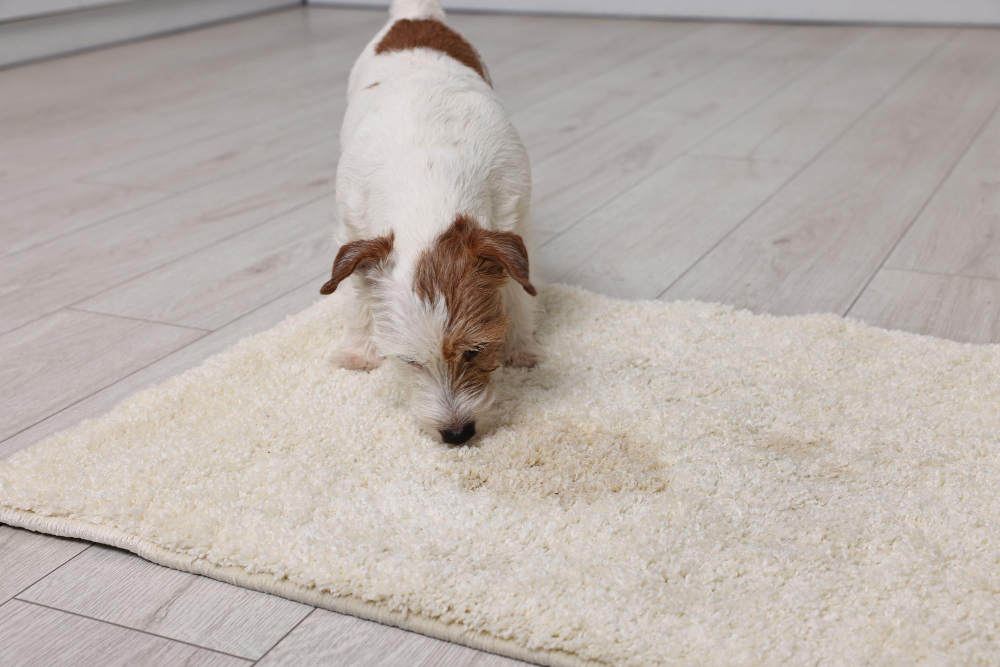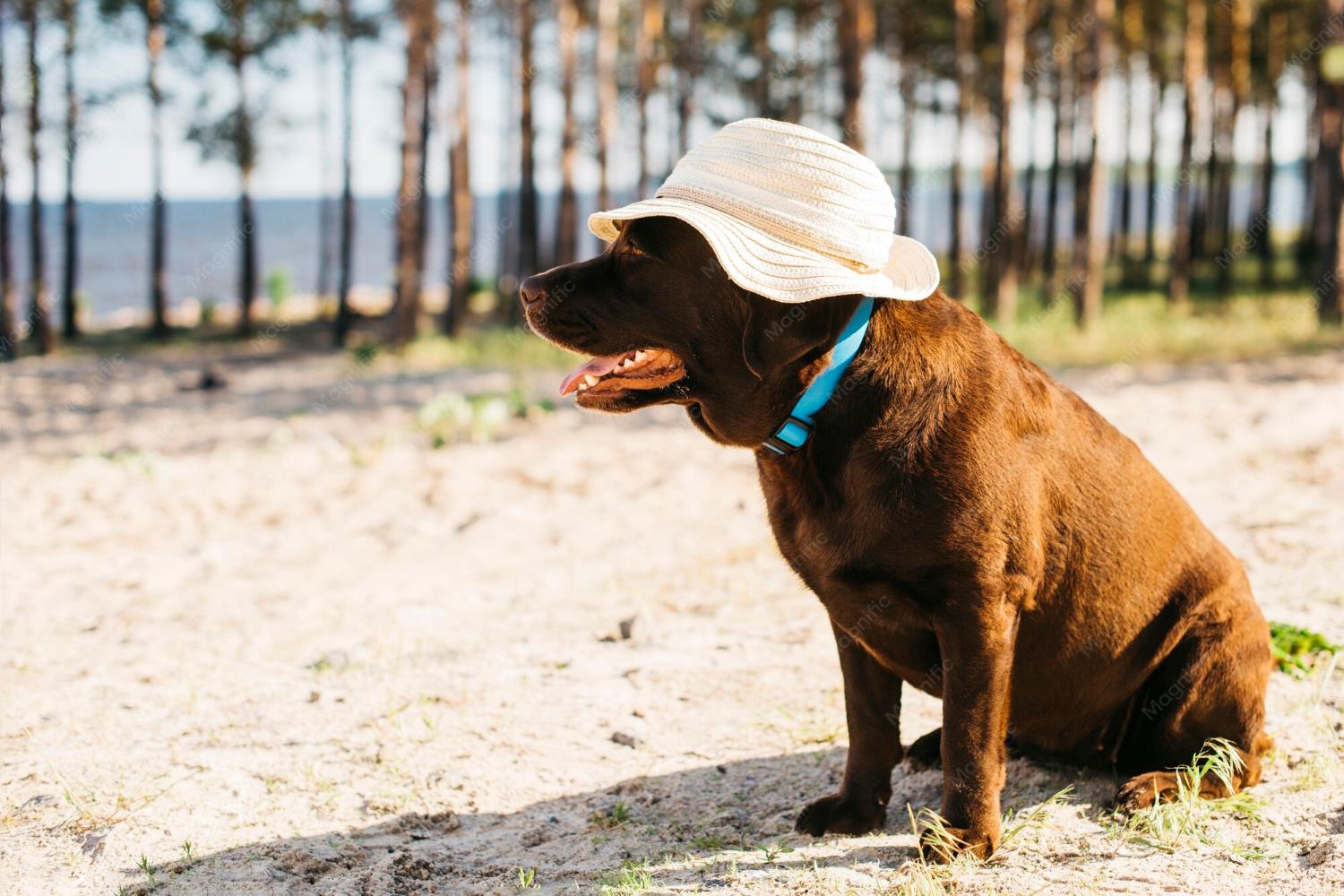
Summer has a way of sneaking up on pet owners. The mornings still feel pleasant, the evenings cool off, and it is easy to assume that if you are comfortable, your dog or cat is too. But pets experience heat very differently than we do, and the margin between a warm afternoon and a genuine emergency can be surprisingly thin.
The good news is that almost every heat-related problem pets face is preventable with a bit of planning. Here is what actually matters when the temperature climbs.
Why heat hits pets harder than people
Humans are unusually good at cooling down. We sweat across our entire body, and that evaporation does most of the work of regulating our temperature. Dogs and cats cannot do that. They have sweat glands only in their paw pads, so their primary cooling mechanism is panting, which moves warm air out and pulls cooler air in across moist tissue.
Panting works reasonably well in dry air and moderate temperatures. It works poorly when the air is already hot and humid, because there is nowhere for that heat to go. This is why humidity matters as much as the number on the thermometer, and why a muggy eighty-five degree day can be more dangerous than a dry ninety-five degree one.
Add a fur coat that cannot be taken off, a body much closer to hot pavement than yours, and no ability to say "I need to stop," and you can see why pets get into trouble quickly.
Learn the warning signs before you need them
Overheating is a spectrum, not a switch. Catching it early is far easier than treating it late. Watch for:
- Heavy, frantic panting that does not settle when your pet rests
- Thick, ropey drool or noticeably increased salivation
- Bright red or unusually pale gums
- Wobbly, unsteady movement or reluctance to stand
- Vomiting or diarrhea, sometimes with blood
- Glazed eyes, confusion, or unresponsiveness
- Collapse or seizure
The first two or three signs mean stop what you are doing and cool your pet down. The last few mean go to an emergency vet immediately. Heatstroke can damage the kidneys, liver, and brain even after a pet appears to recover, so a pet who has genuinely overheated should be seen by a veterinarian regardless of how quickly they bounce back.
Cats are harder to read than dogs. A cat who is panting at all is a cat in distress, because cats rarely pant unless something is wrong.
Rearrange the day around the heat
The simplest change most owners can make is moving walks and play to early morning and late evening. Between roughly ten in the morning and five in the afternoon, both the air and the ground are at their worst. Shifting a walk by two hours costs you nothing and removes most of the risk.
It also helps to shorten and slow things down. A dog who normally runs three miles does not need three miles in August. Sniffing walks, where you let your dog set the pace and investigate everything, provide real mental exercise at a fraction of the physical cost.
Test the pavement with your hand
Asphalt absorbs and holds an enormous amount of heat. On a day when the air is eighty-five degrees, pavement in direct sun can reach well over one hundred and thirty. Paw pads burn at that temperature, and the burns are painful, slow to heal, and easy to avoid.
The test is simple: press the back of your hand flat against the pavement and hold it for seven seconds. If you cannot keep it there comfortably, your dog should not be walking on it. Grass, dirt, and shaded sidewalks are all far cooler. Booties work for some dogs, though many need a few sessions to accept them.
Water, shade, and moving air
Fresh water should be available everywhere your pet spends time, not just in one bowl in the kitchen. Adding a second or third bowl around the house measurably increases how much most pets drink. Outdoors, use a heavy ceramic or stainless bowl in the shade, since plastic warms fast and lightweight bowls get tipped.
Shade matters more than most people realize, and not all shade is equal. A doghouse in full sun is an oven, not a shelter, because it traps heat with no airflow. A tarp, a shade sail, or the north side of a building is far better. If your pet is outside for any length of time, the shade needs to move with the sun or cover a wide enough area to stay useful all afternoon.
Airflow helps too. A box fan on a covered porch, or a fan pointed at a favorite resting spot indoors, makes panting more effective. Cats often seek out tile floors, bathtubs, and the space under beds for exactly this reason, so leave those places accessible.
The parked car rule has no exceptions
A car in seventy-degree weather can pass one hundred degrees inside in twenty minutes. Cracking the windows barely slows it. There is no version of "just a few minutes" that is safe, and no shady parking spot that stays shady. If your pet cannot come inside with you, leave them home.
Cooling tools worth using, and one to skip
Cooling mats, which use a pressure-activated gel, work well for dogs who will actually lie on them. Wet towels laid on the floor are a cheap alternative. A shallow kiddie pool in the shade is one of the best investments a dog owner can make, and many dogs who dislike baths love standing in two inches of cool water.
Frozen treats give pets something to do while they cool off. Broth or plain yogurt frozen in a rubber toy keeps most dogs busy for a while.
The one thing to be careful with is shaving. For double-coated breeds like huskies, golden retrievers, and German shepherds, that undercoat actually insulates against heat and protects skin from sunburn. Shaving it off usually makes things worse, and the coat often grows back patchy. Regular brushing to remove dead undercoat is the better approach. Single-coated breeds can be trimmed, but leave at least an inch.
Some pets need extra caution
Flat-faced breeds such as pugs, bulldogs, boxers, and Persian cats have compressed airways that make panting far less effective. They can overheat on days other pets handle easily. Senior pets, overweight pets, very young animals, black-coated animals, and any pet with heart or respiratory conditions all carry extra risk. For these animals, err strongly toward indoor time and air conditioning.
If your pet does overheat
Move them somewhere cool and shaded immediately. Offer small amounts of cool water, but do not force them to drink. Wet them down with cool, not ice cold, water, focusing on the belly, armpits, groin, and paws. Point a fan at them. Ice water and ice packs can cause blood vessels to constrict and actually slow cooling, so avoid them.
Then call your veterinarian, even if your pet seems to recover. Internal damage from heatstroke is not always visible, and a professional assessment is worth the trip.
A calmer, cooler season
None of this requires keeping your pet indoors all summer. It mostly requires shifting your schedule earlier, checking the ground before you walk, keeping water and shade genuinely available, and knowing what early trouble looks like. Do those four things and summer becomes what it should be for your pet: slower, shadier, and entirely enjoyable.