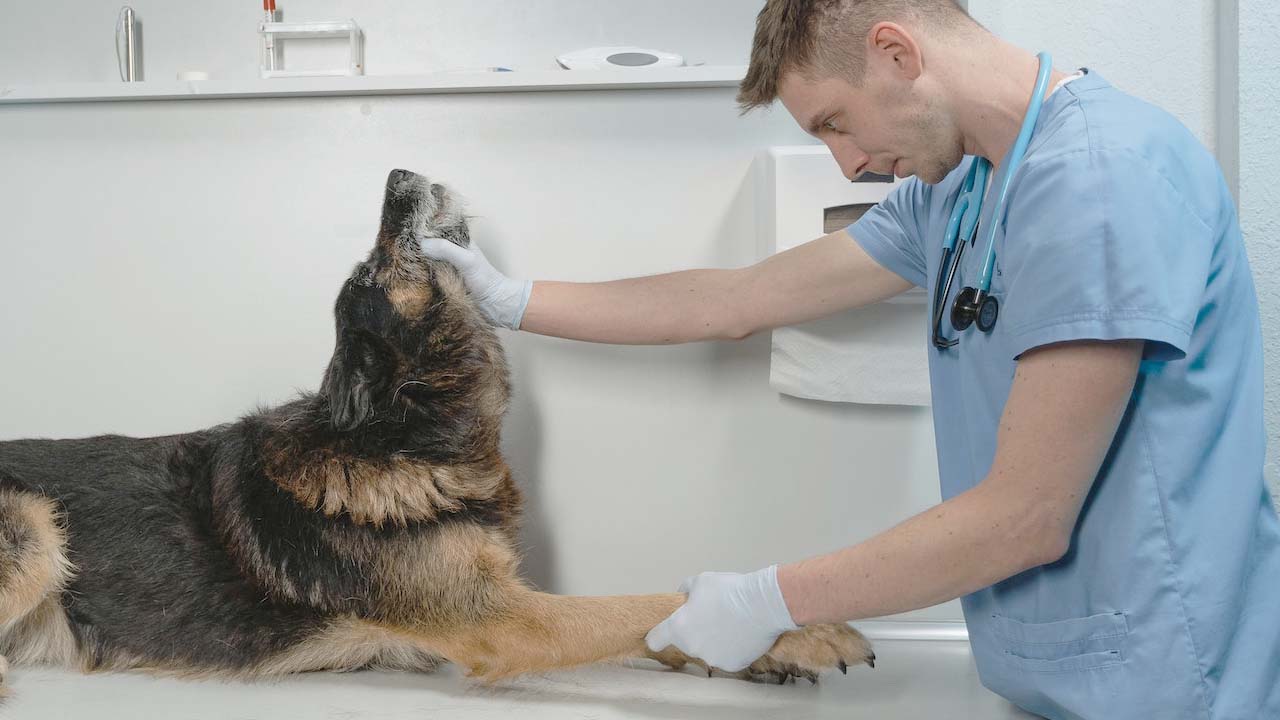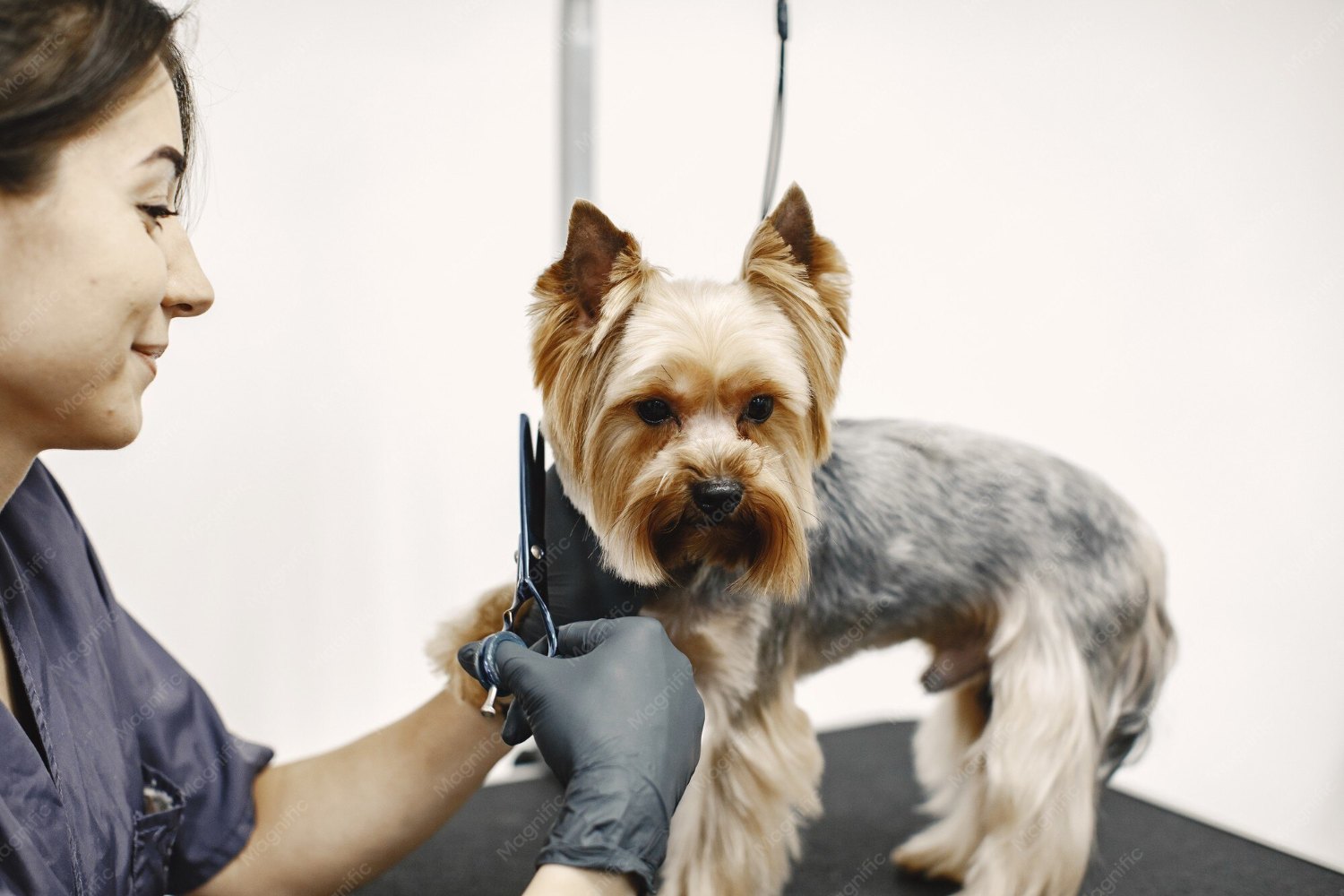
Grooming is one of the few things we hand our dogs over for. You drop them off, walk away, and come back a few hours later hoping everything went well. Unlike a vet visit, you usually are not in the room, and unlike a boarding kennel, the work involves sharp tools, hot air, and a dog who may not want to cooperate.
That makes choosing a groomer worth more thought than most of us give it. Here is how to tell a genuinely good one from a merely convenient one.
Understand what the credentials do and do not mean
In most places, dog grooming is unregulated. There is no license requirement, no mandatory training, and no governing body that can revoke someone right to work. Anyone can buy clippers and open a shop.
That does not mean credentials are meaningless. Certifications from organizations such as the National Dog Groomers Association of America or the International Professional Groomers require testing on breed standards, handling, and safety. A groomer who has pursued certification voluntarily, in a field that does not require it, is telling you something about how seriously they take the work.
Ask two questions: where did you train, and what continuing education have you done recently? Grooming techniques, equipment, and safety standards change. Someone who attends trade shows or takes refresher courses is staying current. Someone who trained fifteen years ago and has not thought about it since may still be excellent, but the answer tells you where their head is.
Also ask about pet first aid and CPR certification. It is inexpensive and quick to obtain, and any groomer who handles senior dogs, brachycephalic breeds, or dogs with health conditions should have it.
Ask for a tour, and pay attention to your senses
A good groomer will happily show you around. Hesitation, or a policy that customers are never allowed past the front desk, is worth asking about. There are legitimate reasons for restrictions during busy hours, but "you can never see where your dog will be" is not one of them.
When you tour, notice:
- Smell. A grooming shop should smell like shampoo, not like urine or wet dog left too long. Accidents happen, but the baseline should be clean.
- Floors and surfaces. Hair gets everywhere in this job. What matters is whether it looks like it gets cleaned between dogs or accumulates all day.
- Crates and holding areas. Are they appropriately sized? Is there water available? Is the space quiet and reasonably dim, or is it chaotic and loud?
- Temperature and ventilation. Drying areas get hot. There should be real airflow.
- Tools. Clean, organized, and clearly maintained is what you want. Rusty scissors and matted brushes tell their own story.
Watch how they handle dogs, and how dogs respond
This is the single most informative thing you can observe. If you can visit while dogs are actually being groomed, do it.
A skilled groomer works calmly and speaks quietly. They keep one hand on the dog at all times on the table. They notice when a dog is getting anxious and adjust, rather than pushing through. Dogs in the shop should look tolerant or mildly bored, not frozen, cowering, or straining to escape.
Watch how they greet your dog specifically. Do they crouch, let your dog approach, and give a moment before reaching? Or do they immediately grab the leash and go? The first is a person who understands dogs. The second is a person processing appointments.
Be wary of any shop that uses fear, forceful restraint, or muzzling as a first resort. Muzzles have legitimate uses for genuinely reactive dogs, but they should be discussed with you beforehand, not applied routinely.
Notice the questions they ask you
A good groomer interviews you as much as you interview them. Expect to be asked about your dog age, health conditions, previous grooming experiences, any sensitivities around paws, ears, or the rear end, allergies, and how your dog handles handling in general.
If nobody asks anything beyond breed and desired cut, that is a meaningful gap. The health history in particular matters. A groomer who does not know your dog has a heart condition, arthritis, or a seizure disorder cannot make good decisions if something goes wrong.
Good groomers also tell you things you may not want to hear. If your dog coat is badly matted, an honest groomer will explain that dematting a severely matted coat is painful and that a short shave-down is the humane choice. A groomer who promises to save a matted coat at any cost is prioritizing your preference over your dog comfort.
Ask about drying, specifically
Drying is where most serious grooming injuries happen. Cage dryers, which blow heated air into a crate while the dog is unattended, have caused overheating deaths, particularly with flat-faced breeds and senior dogs.
The question to ask is direct: do you use heated cage dryers, and is a person present the entire time? The best answer is that they hand dry, or use only ambient-temperature cage dryers with constant supervision and a timer. Any hesitation here is a real red flag.
Look for clear pricing and honest timelines
Pricing should be explained up front, with a clear account of what changes it. Coat condition, matting, size, and behavior all legitimately affect the price, and a good shop will tell you that rather than surprising you at pickup.
Be equally attentive to timing. A full groom typically takes two to four hours depending on size and coat. A shop that promises a large, heavily coated dog will be done in forty-five minutes is either rushing or leaving the dog crated far longer than they admit. Ask how long your dog will actually be there and how much of that time is grooming versus waiting.
Some groomers now offer express or one-on-one appointments where your dog goes straight through with no crate time. For anxious dogs, seniors, and puppies, this is worth paying extra for.
Do the boring homework
Read reviews, but read them properly. Ignore the star average and read the two and three star reviews, which tend to be the most honest. Look for patterns rather than individual complaints. One person upset about a haircut length means little. Five people describing nicks, unexplained injuries, or dogs coming home terrified means a great deal.
Ask for references from clients with dogs like yours. A groomer who is great with placid golden retrievers may not be the right fit for a nervous rescue or a hand-stripped terrier.
Confirm they carry liability insurance. Most reputable shops do, and they will not be offended by the question.
Red flags worth walking away from
- Refusing to let you see the working area at all
- Vague or evasive answers about drying methods
- No intake questions about health or behavior
- Pressure to book a full groom before meeting your dog
- Unexplained nicks, razor burn, or a frightened dog at pickup
- Blaming your dog for every problem that arises
- Dismissiveness when you ask a reasonable question
Start small and pay attention
You do not have to commit to a full groom on day one. Book a nail trim or a bath and brush first. It is inexpensive, it takes twenty minutes, and it tells you a great deal about the shop and about how your dog responds to the people in it.
When you pick up, look your dog over carefully in good light. Check ears, paws, the belly, and around the rear for nicks or irritation. Notice their mood. A dog after a good grooming appointment is usually tired and a bit pleased with themselves. A dog who bolts for the car and will not settle is telling you something.
Finally, trust your own instincts. A good groomer becomes a long-term partner in your dog health, often spotting lumps, ear infections, and skin problems before you do. That relationship is worth the effort of choosing carefully, and worth switching if something ever feels wrong.