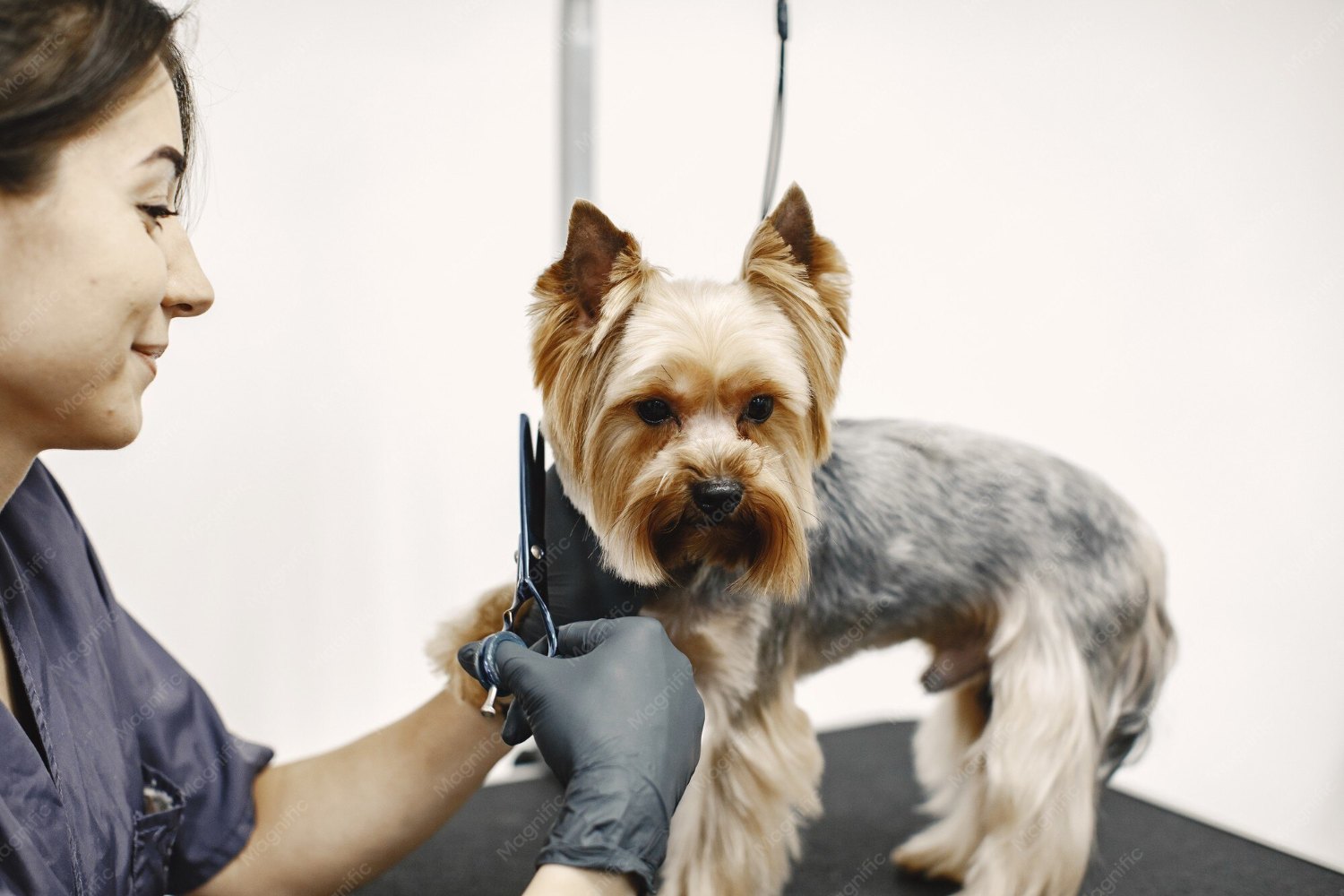
The Stinky Truth About Pet Breath
If your dog or cat’s breath could clear a room, you’re not alone. Bad breath — known as halitosis — is one of the most common complaints pet owners bring up, and while it’s easy to dismiss as “just dog breath” or “just cat breath,” persistent bad breath is almost always a sign that something needs attention. The good news is that in most cases, the cause is treatable and preventable with the right approach.
What Causes Bad Breath in Dogs and Cats?
The most common cause of bad breath in pets is periodontal disease — a buildup of plaque and tartar on the teeth that leads to bacterial infection of the gums. By the age of three, the majority of dogs and cats have some degree of dental disease. As bacteria accumulate along the gum line, they produce sulfur compounds that create that unmistakable foul odor. Left untreated, periodontal disease progresses to painful gum inflammation, tooth decay, tooth loss, and can even spread bacteria to the heart, kidneys, and liver through the bloodstream.
Other causes of bad breath include dietary factors (particularly if your pet eats garbage, feces, or other unpleasant things), gastrointestinal issues, kidney disease (which can produce a urine-like or ammonia smell), diabetes (which may cause a sweet or fruity odor), oral tumors, and foreign objects stuck in the mouth or teeth.
When to See the Vet
If your pet’s breath has suddenly changed or become noticeably worse, schedule a veterinary appointment. Particularly concerning signs include breath that smells like ammonia or urine (possible kidney disease), an unusually sweet or fruity smell (possible diabetes), breath accompanied by vomiting, excessive thirst, frequent urination, or changes in appetite or behavior. These symptoms can indicate serious underlying health conditions that require prompt treatment.
Professional Dental Cleaning
The single most effective treatment for persistent bad breath is a professional dental cleaning performed by your veterinarian under general anesthesia. During the procedure, tartar is removed from all tooth surfaces including below the gum line (where the most harmful bacteria reside), teeth are polished to slow future plaque accumulation, and any damaged or diseased teeth are extracted. While anesthesia carries a small risk, modern veterinary anesthesia is very safe, and pre-anesthetic bloodwork helps identify any underlying conditions before the procedure.
Daily Tooth Brushing
The gold standard for at-home dental care is daily tooth brushing using a pet-specific toothpaste and a soft-bristled brush sized for your pet’s mouth. Never use human toothpaste — it contains fluoride and foaming agents that are toxic to pets if swallowed. Pet toothpastes come in flavors like poultry, beef, and seafood that most dogs and cats find appealing. Start slowly by letting your pet taste the toothpaste, then gradually work up to brushing a few teeth at a time, building to a full mouth cleaning over the course of a couple of weeks. Focus especially on the outer surfaces of the upper back teeth, where tartar accumulates fastest.
Dental Chews and Treats
Dental chews can provide a supplementary benefit by mechanically scraping plaque off the teeth as your pet chews. Look for products that carry the Veterinary Oral Health Council (VOHC) seal, which means they’ve been tested and proven to reduce plaque or tartar. Popular options include specially textured dental sticks, rawhide alternatives, and enzyme-coated chews. Keep in mind that dental chews are a supplement to brushing, not a replacement — they don’t reach below the gum line where periodontal disease starts.
Water Additives and Dental Sprays
Dental water additives are flavorless solutions you add to your pet’s drinking water that contain enzymes or antimicrobial agents designed to reduce oral bacteria. Dental sprays and gels can be applied directly to the teeth and gums. These products are convenient for pets that resist brushing, though their effectiveness varies. Again, look for the VOHC seal when selecting these products to ensure they’ve been independently tested.
Diet and Dental Health
Some veterinary dental diets feature specially shaped, oversized kibble that encourages chewing rather than swallowing whole, which helps scrub plaque off the teeth mechanically. Prescription dental diets like Hill’s t/d are designed specifically for this purpose. In general, dry food offers slightly more dental benefit than wet food due to the chewing action, but the difference isn’t dramatic enough to justify switching a pet that does better on wet food. The most impactful dietary choice for dental health is simply avoiding table scraps and sugary treats that feed oral bacteria.
Preventing Bad Breath Long-Term
The best approach to keeping your pet’s breath fresh combines regular professional dental cleanings (most pets benefit from one annually), daily tooth brushing, VOHC-approved dental chews or water additives, and a healthy diet. Start dental care early — puppies and kittens who learn to accept tooth brushing as youngsters are far more tolerant of it as adults. Make dental care a positive experience by pairing it with praise and treats, and your pet will be happier, healthier, and much more pleasant to snuggle with.